Transparency
How to Read a Certificate of Analysis
AffordPure Team
·
March 7, 2024
·
6 min read

A Certificate of Analysis (COA) is a third-party lab report for a specific batch. It confirms what's in the bottle and helps you avoid low-quality products.
COA Checklist
1) Match the Batch
The report should match the exact product batch number you bought.
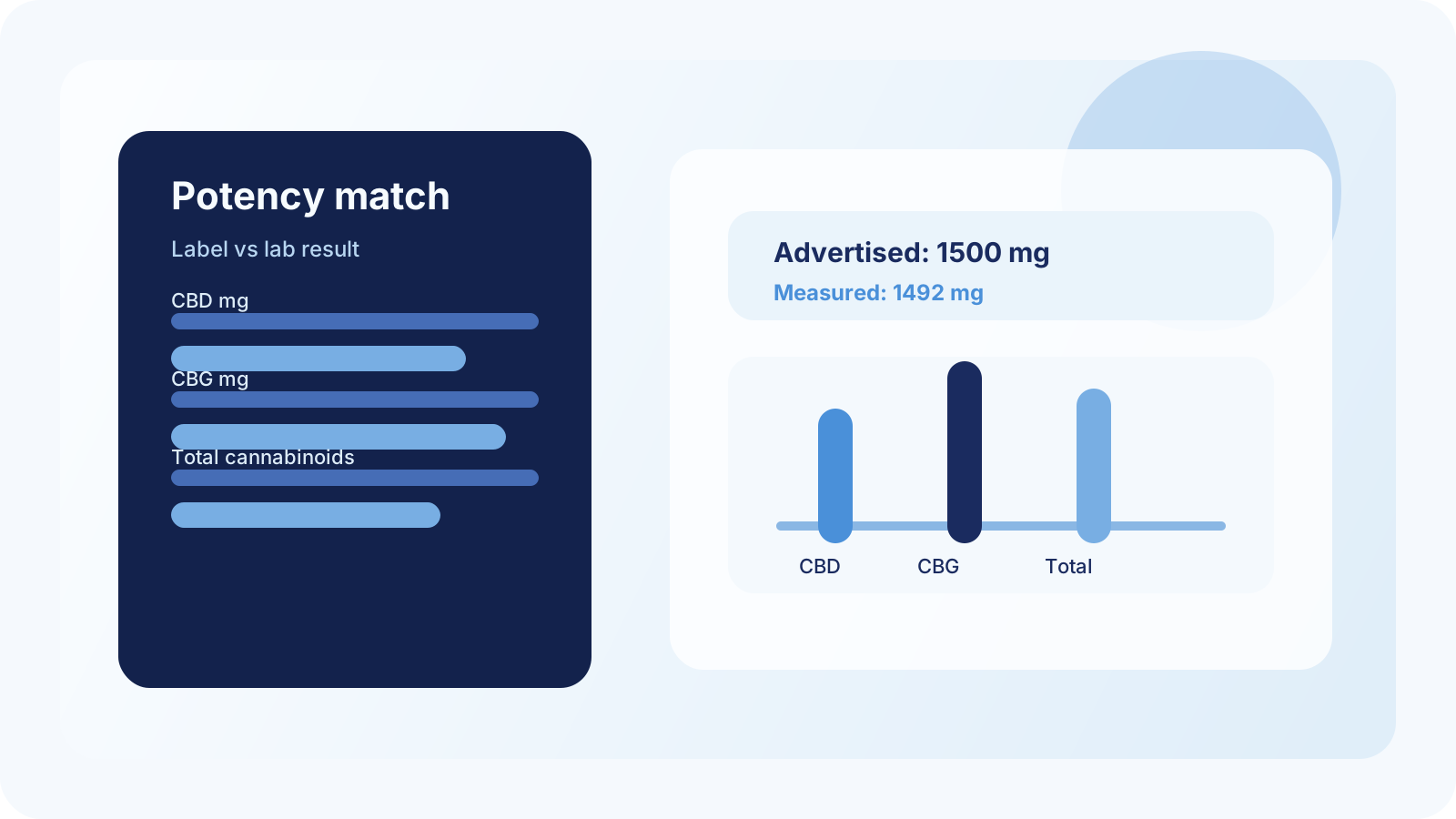
2) Verify Potency
Confirm the CBD and total cannabinoid values are in expected range.
3) Check THC
For full spectrum, verify legal compliance. For THC-free products, confirm non-detect where expected.
4) Scan Contaminants
Look for pass/fail or quantitation on:
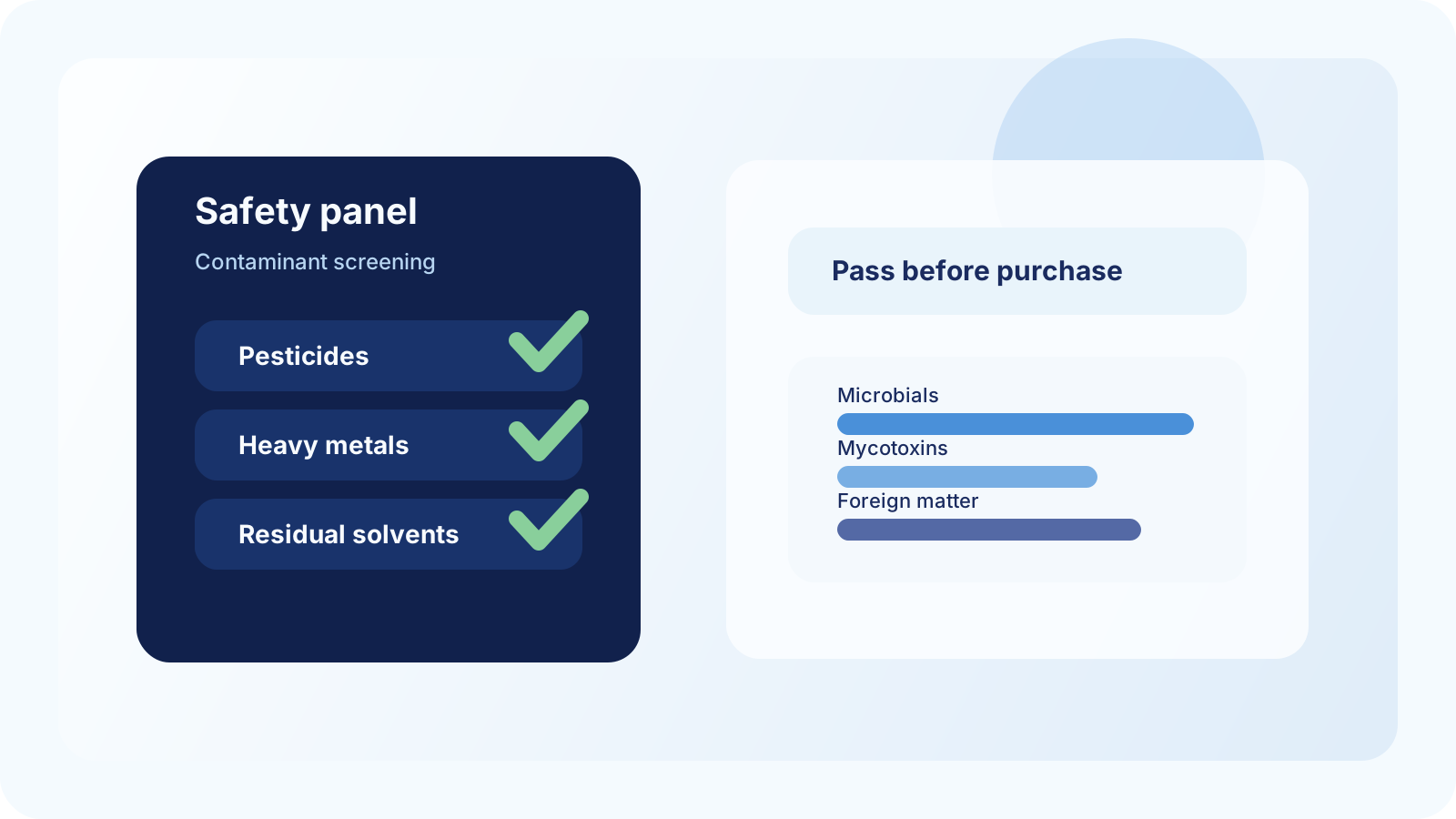
- Pesticides
- Heavy metals
- Residual solvents
- Microbials
5) Confirm Date and Lab
Use recent reports from accredited, independent labs.
Why It Matters
Without a valid COA, label claims are difficult to trust. Reliable brands publish current reports for every batch and make them easy to find.