Science

Understanding CBD Bioavailability
AffordPure Team · March 15, 2024 · 8 min read
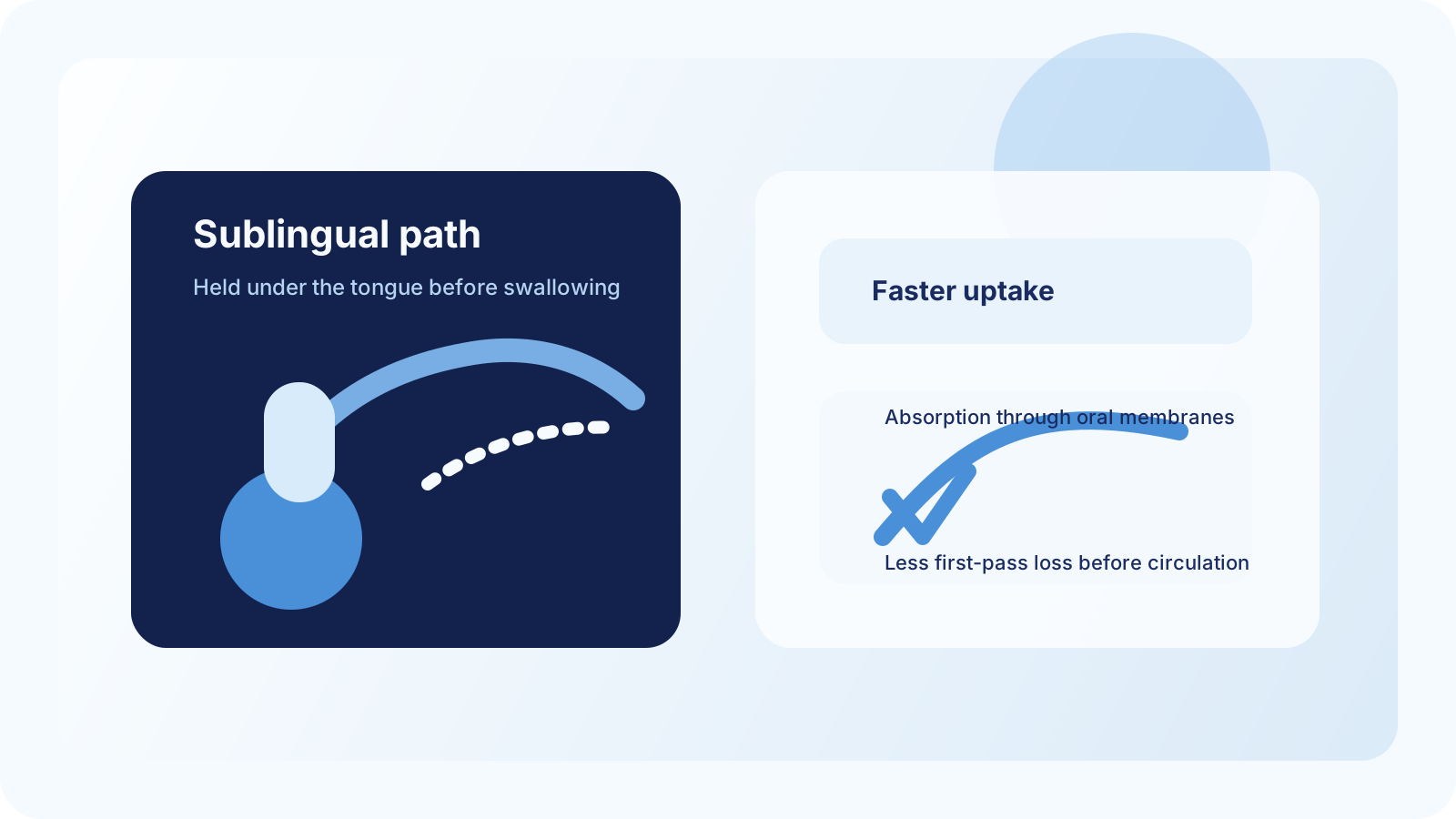
CBD oil dropper under the tongue with an absorption pathway illustration
Sublingual use can bypass part of digestion, which is why oils often absorb more efficiently.

When you take CBD, only a fraction of it actually reaches your bloodstream. That concept, bioavailability, is one of the biggest drivers of value. Understanding it helps you buy smarter and dose more effectively.

What Is Bioavailability?

Bioavailability is the percentage of a substance that enters your bloodstream after use.

When CBD is swallowed, it must pass through digestion and your liver before it circulates. This first-pass metabolism breaks down a meaningful portion of the dose.

Bioavailability by Delivery Method

Sublingual Oils

Holding CBD oil under the tongue for 60-90 seconds allows partial absorption through oral membranes before swallowing.

  • Bioavailability: 13-35%
  • Onset: 15-30 minutes
  • Duration: 4-6 hours

Oral (Capsules & Gummies)

Swallowed products are convenient, but generally have lower absorption.
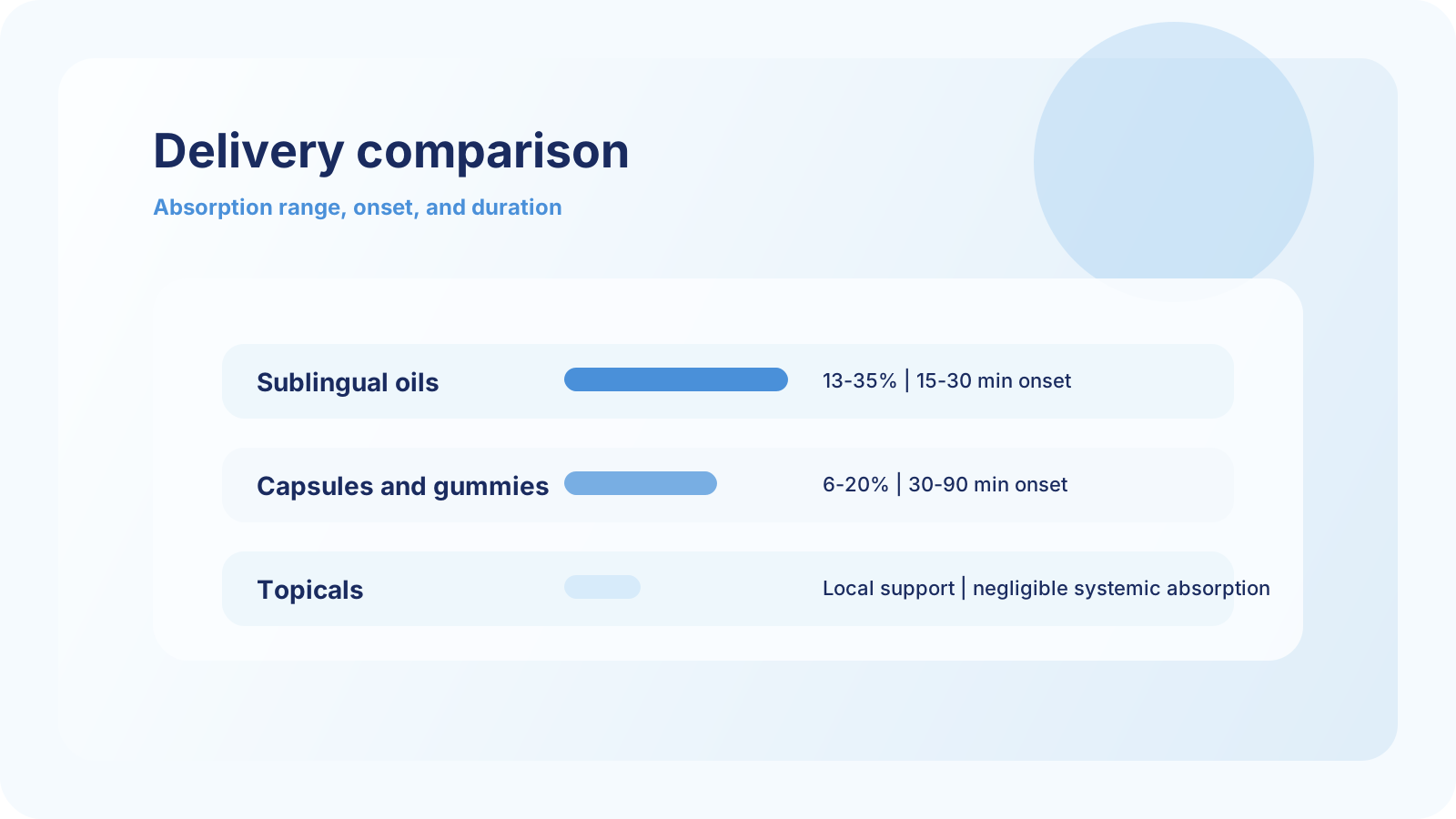
Chart comparing onset time and absorption range across oils, capsules, and topicals
Bioavailability changes both the speed and efficiency of each delivery method.
  • Bioavailability: 6-20%
  • Onset: 30-90 minutes
  • Duration: 6-8 hours

Topicals

Topicals focus on local tissue support and do not meaningfully contribute to systemic blood levels.

  • Systemic bioavailability: negligible
  • Local absorption: targeted
  • Onset: 15-45 minutes
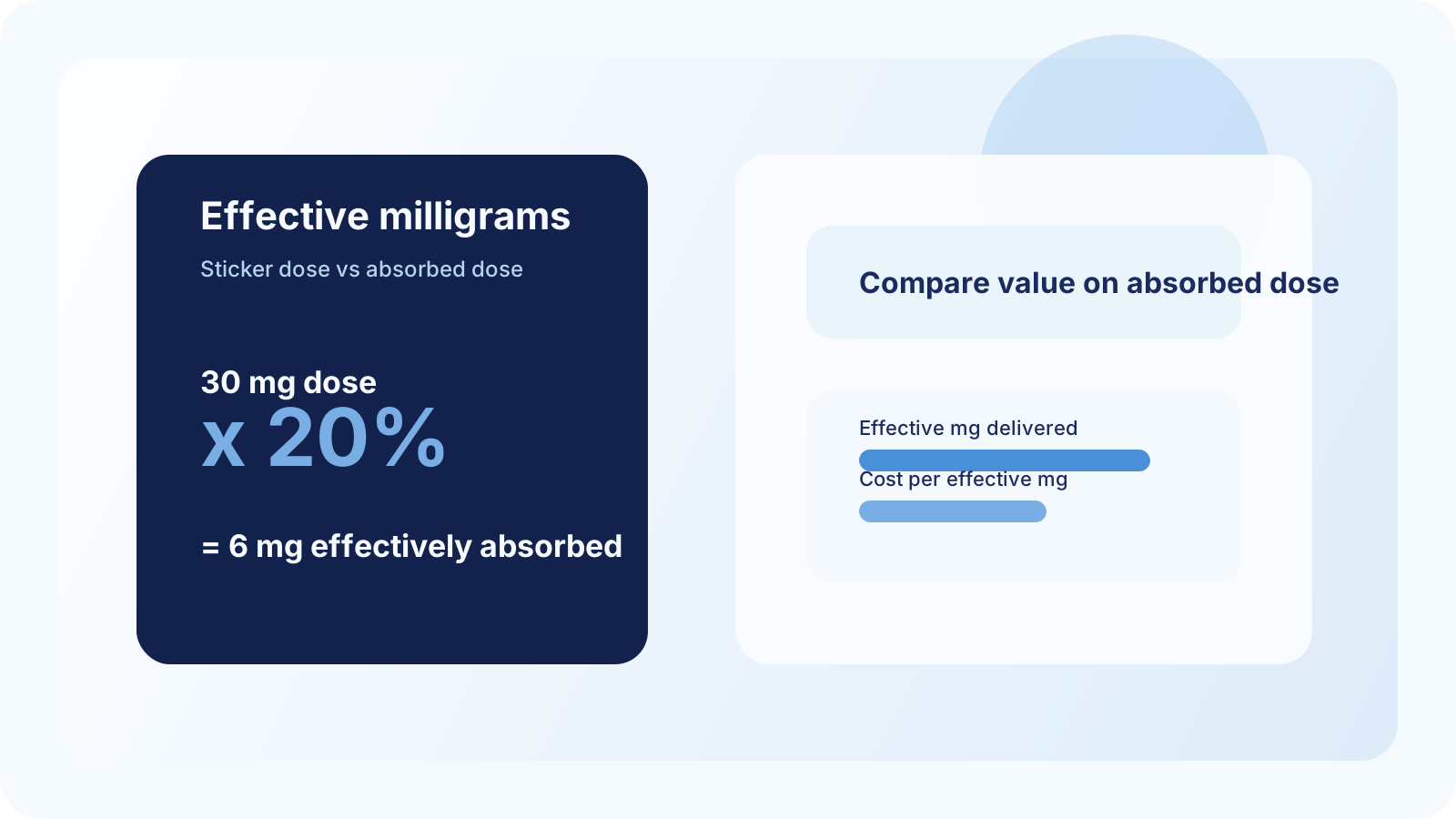
Cost-per-effective-milligram calculation card connecting absorbed dose to product value
Real value comes from absorbed milligrams, not just the largest number on the front label.

The most expensive CBD is the CBD that never reaches your system.

What This Means for Price

A product with lower absorption may require a higher milligram dose to achieve similar effects.

At AffordPure, we publish simple, transparent pricing and cost-per-milligram to make this comparison easier across products and delivery methods.

Practical Absorption Tips

  • Take CBD with dietary fat when possible.
  • Hold sublingual doses for at least 60 seconds.
  • Dose consistently for more stable outcomes.
  • Prefer full-spectrum formulas when appropriate.
Education

Full Spectrum vs. Broad Spectrum vs. Isolate

AffordPure Team · March 10, 2024 · 5 min read
Three CBD droppers labeled full spectrum, broad spectrum, and isolate arranged side by side
Each extract format keeps a different amount of the hemp plant's original compounds.

CBD products are often grouped into three extract types:

  • Full spectrum
  • Broad spectrum
  • Isolate

The differences matter for how products feel and who they are best for.

Full Spectrum

Full spectrum includes CBD plus additional cannabinoids and terpenes, including trace THC within legal limits.

This format is often chosen for entourage-effect potential.

Broad Spectrum

Layered botanical profile card showing cannabinoids, terpenes, and trace THC in a full spectrum extract
Full spectrum formulas retain the widest range of cannabinoids and aromatic terpenes.

Broad spectrum keeps multiple cannabinoids and terpenes while removing detectable THC.

It is commonly selected by customers who want a multi-compound profile without THC exposure.

Isolate

Broad spectrum and isolate product cards highlighted for THC-free selection decisions
Broad spectrum and isolate both serve THC-avoidant shoppers, but they deliver different plant complexity.

Isolate contains only CBD.

It is typically the simplest formula, but it does not include the additional plant compounds found in full or broad spectrum extracts.

How To Choose

  • Prefer full spectrum when you want the most complete hemp profile.
  • Prefer broad spectrum when you want THC-free products.
  • Prefer isolate when you want CBD-only simplicity.